The Vomer Bone: Anatomy, Location, and Role in Nasal Airflow
The human skull is a marvel of biological engineering, a complex mosaic of bones, each with a specific design and purpose. Among these intricate components, the
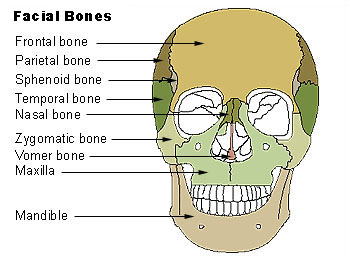
vomer bone often receives less attention than its larger counterparts, yet its role is undeniably foundational. This slender, unpaired facial bone, whose name derives from the Latin word for "ploughshare" due to its distinctive shape, is an unsung hero of our respiratory system and a key structural element of the midfacial skeleton. Understanding the vomer’s anatomy, precise location, and crucial contributions to nasal airflow is essential for appreciating the sophisticated design of the human airway.
What is the Vomer Bone? Unraveling its Unique Identity
At its core, the
vomer is one of the unpaired bones of the skull, meaning there's only one of it, unlike the paired maxillae or palatine bones. Its most striking characteristic is its shape – thin and somewhat quadrilateral, often described as resembling a ploughshare, which perfectly illustrates its function of dividing space.
Etymology and Basic Description
The term "vomer" itself, originating from the Latin "vomer" (meaning ploughshare), paints a vivid picture of its form. This bone is situated in the midsagittal plane of the skull, an imaginary line that divides the body into equal left and right halves. Despite its central location, it's not uncommon for its anterior portion to be slightly bent to one side, a subtle anatomical variation that can sometimes contribute to nasal asymmetry. Functionally, the vomer serves as the posterior and inferior component of the nasal septum, the vital partition that separates the nasal cavity into distinct left and right halves, facilitating efficient breathing and olfaction.
Position within the Skull
The
vomer occupies a strategic position deep within the nasal cavity. It forms the bony posterior-inferior border of the nasal septum, seamlessly integrating with other crucial structures. Superiorly, it connects with the perpendicular plate of the ethmoid bone, which forms the superior part of the bony nasal septum. Anteriorly, it meets the septal cartilage, completing the cartilaginous portion of the septum. Inferiorly, it firmly articulates with the maxillary and palatine bones. This central placement ensures its pivotal role in supporting the entire nasal framework, making it a critical player in maintaining the structural integrity of the midface.
The Vomer's Intricate Anatomy: Surfaces, Borders, and Articulations
Despite its seemingly simple ploughshare shape, the
vomer possesses a remarkably detailed anatomy, featuring distinct surfaces, borders, and a complex network of articulations that underpin its structural significance.
Surfaces and Vomerine Groove
The two surfaces of the vomer are not smooth but are subtly marked by small furrows. These indentations are critical pathways for tiny blood vessels, ensuring the bone's vitality and the surrounding tissues' perfusion. A prominent feature on each surface is the
vomerine groove, also known as the nasopalatine groove or Scarpa's sulcus. This groove runs obliquely downward and forward, providing a sheltered channel for the nasopalatine nerve (Scarpa's nerve) and its accompanying vessels. The nasopalatine nerve plays a sensory role, transmitting information from the nasal cavity and the anterior part of the hard palate, highlighting the vomer's close relationship with sensory pathways.
Borders and "Wings of Vomer"
The vomer's four borders are distinctly shaped to interface with adjacent bones and cartilage:
* The
superior border is the thickest and perhaps the most complex. It features a deep furrow, flanked on either side by horizontal bony projections known as the
wings of vomer (alae). This central furrow securely receives the rostrum of the sphenoid bone, a key cranial bone. Simultaneously, the margins of these alae articulate with the vaginal processes of the medial pterygoid plates of the sphenoid behind, and with the sphenoidal processes of the palatine bones in front. This elaborate articulation provides strong anchorage to the cranial base.
* The
inferior border is robust and articulates with the crest formed jointly by the maxillary bones (maxillae) and the palatine bones, securing the vomer to the roof of the mouth and floor of the nasal cavity.
* The
anterior border is the longest, sloping downward and forward. Its upper half is fused with the perpendicular plate of the ethmoid bone, while its lower half is distinctly grooved to accommodate the inferior margin of the septal cartilage of the nose. This articulation is crucial for the complete formation of the nasal septum.
* The
posterior border is unique because it is entirely free of bony articulation, having no muscle attachments. It is concave, thin inferiorly, and thick and bifid (split) superiorly. This free edge serves a critical function: it separates the two posterior nasal apertures, known as the choanae, which are the gateways from the nasal cavity to the nasopharynx.
Key Articulations: A Network of Support
The vomer's structural integrity and functional importance are underscored by its extensive network of articulations. It firmly connects with six distinct bones, providing a central point of stability within the skull. These include two cranial bones – the
sphenoid and the
ethmoid – and four facial bones – the two
maxillae and the two
palatine bones. Beyond these bony connections, the vomer also articulates directly with the septal cartilage of the nose.
This intricate web of articulations is not merely for support; it ensures the stability of the entire nasal framework and contributes significantly to the overall integrity of the midfacial skeleton. The precise alignment and secure fit between these bones are critical for maintaining the structural parameters necessary for optimal respiratory function. To delve deeper into these critical connections and their structural implications, explore our related article on
Vomer Bone: Articulations, Structure, and Nasal Septum Formation.
The Vomer's Crucial Role in Nasal Airflow and Beyond
The vomer, despite its small size, is a central player in several physiological processes, primarily revolving around respiration and sensory perception.
Forming the Nasal Septum: A Divider of Air
The most direct and critical role of the
vomer is its contribution to the nasal septum. By forming the posterior-inferior segment of this partition, it works in concert with the perpendicular plate of the ethmoid bone and the septal cartilage to divide the nasal cavity into two distinct passages. This division is paramount for efficient nasal airflow. A properly aligned nasal septum ensures that inhaled air travels in a laminar, or smooth, flow, allowing for optimal warming, humidification, and filtration before it reaches the lungs. Without a stable septum, airflow can become turbulent, leading to dryness, irritation, and reduced effectiveness in air conditioning.
Stabilizing the Midfacial Skeleton
Beyond its role in airflow, the vomer's central location and strong articulations with surrounding bones contribute significantly to the overall stability of the midfacial skeleton. It acts as a central pillar, providing crucial support that prevents collapse and ensures the proper alignment of facial structures. This structural contribution is vital for protecting delicate internal structures and maintaining the aesthetic symmetry of the face. The intricate mechanics of this support are further detailed in our article,
Vomer Bone: From Ploughshare Shape to Midfacial Skeleton Stability.
Connection to the Vomeronasal Organ (Jacobson's Organ)
An intriguing aspect of the vomer's vicinity is its association with the vomeronasal organ, also known as Jacobson's organ. This chemoreceptor organ, named for its close proximity to the vomer and nasal bones, plays a significant role in detecting pheromones and other chemical signals in many animal species. While largely vestigial in adult humans, its developmental presence near the vomer highlights an evolutionary connection to sensory functions, reminding us of the intricate interplay between anatomical structures and biological senses.
Clinical Significance and Anomalies
The vomer's delicate structure and central position make it susceptible to issues that can have significant clinical implications.
*
Deviated Septum: One of the most common issues related to the nasal septum involves a deviation, where the septum is significantly shifted away from the midline. While septal cartilage is often implicated, an anterior bend or misalignment of the vomer itself can contribute to or exacerbate a deviated septum. This can lead to obstructed nasal passages, difficulty breathing, chronic sinusitis, nosebleeds, and impaired sleep. Symptoms like persistent unilateral nasal congestion, snoring, or a feeling of blockage should prompt a medical evaluation.
*
Developmental Anomalies: Though rare, anomalies such as vomer agenesis (absence of the vomer) can lead to severe nasal septum defects and associated respiratory problems, underscoring the bone's fundamental importance in craniofacial integrity during embryogenesis. The vomer develops as an endochondral bone from mesenchyme around the nasal capsule, a complex process that ensures its fusion with adjacent structures to form a rigid midline partition by adulthood.
Why the Vomer Matters: Practical Implications and Insights
Understanding the
vomer goes beyond academic interest; it has practical implications for our health and well-being.
Understanding Nasal Breathing
Optimal nasal breathing is crucial for overall health. A well-functioning nasal septum, supported by the vomer, ensures that air is properly conditioned before reaching the lungs. This process includes:
- Filtration: Hairs and mucus trap dust, pollen, and pathogens.
- Humidification: Air is moistened to prevent irritation in the respiratory tract.
- Warming: Air is heated to body temperature, protecting the delicate lung tissue.
Any impairment in this process, often due to a compromised vomer or septum, can lead to dry mouth, snoring, sleep apnea, and increased susceptibility to respiratory infections. Improving nasal breathing through medical intervention, if necessary, can significantly enhance quality of life.
Impact on ENT Health
Ear, Nose, and Throat (ENT) specialists frequently assess the vomer and nasal septum. In cases of chronic nasal obstruction, recurrent sinusitis, or facial trauma, the integrity and alignment of the vomer are carefully examined. Surgical procedures like septoplasty are often performed to correct septal deviations, where parts of the vomer or septal cartilage might be reshaped or repositioned to improve airflow. For anyone experiencing persistent nasal issues, consulting an ENT specialist is advisable to diagnose and address any underlying anatomical causes related to the vomer or nasal septum.
Conclusion
The
vomer bone, with its distinctive ploughshare shape and central location, is far more than just another piece of the cranial puzzle. As an unpaired facial bone, it serves as the crucial posteroinferior component of the nasal septum, meticulously dividing the nasal cavity and orchestrating efficient airflow. Its intricate articulations with six other bones and the septal cartilage highlight its pivotal role in providing structural stability to the entire midfacial skeleton. From guiding the delicate nasopalatine nerve to its clinical implications in conditions like a deviated septum, the vomer profoundly impacts our ability to breathe, speak, and maintain facial integrity. This small, often overlooked bone truly stands as an unsung hero, fundamental to our respiratory health and the remarkable architecture of the human skull.