Understanding the Vomer Bone: The Ploughshare of the Nasal Cavity
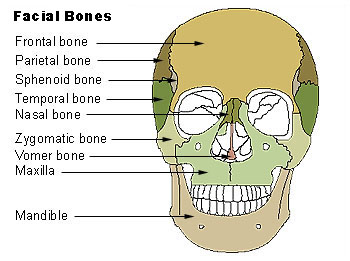
The vomer, a distinctive unpaired facial bone, holds a crucial position within the human skull. Named for its resemblance to a ploughshare (from the Latin *vomer*), this slender yet robust bone is a cornerstone of our facial anatomy, primarily celebrated for its role in forming the nasal septum. Situated precisely in the midsagittal plane, the vomer serves as a vital divider, separating the nasal cavity into its two distinct halves. Its intricate structure and numerous articulations underscore its importance, not just for breathing but for the overall stability of the midfacial skeleton. Let's delve deeper into the complex architecture and functional significance of this often-overlooked bone.
Structure and Morphology of the Vomer
Despite its seemingly simple appearance, the vomer possesses a nuanced structure designed for its specific functions. It is generally described as thin and somewhat quadrilateral or trapezoidal in shape, though its anterior portion frequently exhibits a slight curvature to one side, a common anatomical variation that can sometimes contribute to a deviated nasal septum. When viewed from the posterior aspect or the inferior skull base, it presents a more triangular outline, highlighting its presence deep within the posterior nasal cavity.
The vomer features two distinct surfaces and four borders, each with specialized characteristics:
* **Surfaces:** Both lateral surfaces of the vomer are subtly marked by small furrows. These depressions are not mere aesthetic features but serve a critical purpose: they house tiny blood vessels, ensuring the bone's vitality. Most notably, each surface contains the **vomerine groove**, also known as the nasopalatine groove or Scarpa's sulcus. This groove runs obliquely downward and forward, providing a protected passage for the nasopalatine nerve (Scarpa's nerve) and accompanying vessels, crucial for sensory innervation of the nasal cavity and palate.
* **Borders:**
* **Superior Border:** This is the thickest edge of the vomer, characterized by a deep central furrow flanked by two horizontal bony projections known as the **wings of the vomer** (or alae). This unique configuration allows the furrow to snugly receive the rostrum of the sphenoid bone, a key articulation. The outer margins of these alae further articulate with the vaginal processes of the medial pterygoid plates of the sphenoid posteriorly, and with the sphenoidal processes of the palatine bones anteriorly, creating a robust connection at the skull's base.
* **Inferior Border:** Slender and elongated, the inferior border is dedicated to establishing a firm connection with the crest formed by the maxillary and palatine bones. This connection anchors the vomer to the hard palate, providing foundational support.
* **Anterior Border:** The longest of the borders, it slopes downward and forward. Its upper half fuses seamlessly with the perpendicular plate of the ethmoid bone, while its lower half features a distinctive groove designed to receive the inferior margin of the septal cartilage of the nose. This dual articulation with bone and cartilage ensures the continuity of the nasal septum from the skull base to the external nose.
* **Posterior Border:** Unlike its counterparts, the posterior border is entirely free of bony or muscular attachments. It is concave, separating the two posterior nasal apertures, known as the choanae. Interestingly, it is thick and bifid superiorly, gradually thinning out as it extends inferiorly.
Understanding these structural nuances is vital for anyone studying craniofacial anatomy or engaging in surgical procedures involving the nasal cavity, as deviations or anomalies in these structures can have significant functional consequences. To learn more about its foundational role, consider reading
Vomer Bone: From Ploughshare Shape to Midfacial Skeleton Stability.
Key Articulations of the Vomer Bone
The vomer bone is a central meeting point in the skull, engaging in intricate articulations with a total of six bones and one cartilage. These connections are fundamental to its stability and its critical function in dividing the nasal cavity.
Its articulations can be categorized as follows:
1. **Cranial Bones (2):**
* **Sphenoid Bone:** The superior border of the vomer forms a strong articulation with the rostrum of the sphenoid, fitting into the vomer's superior furrow. Additionally, the wings of the vomer articulate with the vaginal processes of the medial pterygoid plates of the sphenoid bone. This complex interlock provides significant stability to the posterior nasal septum.
* **Ethmoid Bone:** The superior half of the anterior border of the vomer fuses with the perpendicular plate of the ethmoid bone. Together, these two bones form the bony superior and posterior parts of the nasal septum.
2. **Facial Bones (4):**
* **Maxillary Bones (2):** The inferior border of the vomer articulates with the nasal crest formed by the right and left maxillary bones, which are the main bones of the upper jaw.
* **Palatine Bones (2):** The inferior border also connects with the nasal crests of the right and left palatine bones, which form part of the hard palate and nasal cavity floor. Anteriorly, the sphenoidal processes of the palatine bones also connect with the wings of the vomer.
3. **Cartilage (1):**
* **Septal Cartilage:** The lower half of the anterior border of the vomer provides a groove for the inferior margin of the quadrangular septal cartilage of the nose. This cartilaginous connection completes the anterior portion of the nasal septum.
These numerous articulations highlight the vomer's role as a central pillar, integrating various facial and cranial structures. This network of connections is essential for maintaining the integrity of the nasal passages and supporting the midface.
Vomer's Central Role in Nasal Septum Formation
The formation of the nasal septum is perhaps the vomer's most recognized and critical function. It serves as the bony posterior-inferior segment of this vital midline structure, which effectively divides the nasal cavity into right and left halves. This division is paramount for directing airflow, conditioning inhaled air, and optimizing olfaction.
While the vomer constitutes the inferior and posterior portions, it works in concert with two other key components to complete the nasal septum:
* **Perpendicular Plate of the Ethmoid Bone:** This superior bony plate forms the upper and anterior part of the bony nasal septum.
* **Septal Cartilage (Quadrangular Cartilage):** This flexible, anterior cartilaginous structure extends from the vomer and ethmoid bone to the tip of the nose, providing both structure and flexibility.
Together, these three components — vomer, ethmoid, and septal cartilage — create a rigid yet slightly adaptable midline partition. The vomer's robust articulations ensure this partition remains stable, providing essential support to the entire nasal framework. Its contribution is critical for maintaining separate nasal passages, which in turn facilitates efficient airflow regulation and protection of the delicate nasal mucosa. Without the vomer, the integrity of the nasal septum would be compromised, leading to significant respiratory and structural issues. To understand more about its function in this context, read
The Vomer Bone: Anatomy, Location, and Role in Nasal Airflow.
Developmental Origins and Clinical Significance
The vomer's journey begins early in human development. It originates as an endochondral bone, meaning it forms from a cartilaginous precursor, from the mesenchyme surrounding the nasal capsule during embryogenesis. Over time, it ossifies and fuses with adjacent structures, culminating in a rigid midline partition by adulthood. This developmental process is complex, and any anomalies can have significant clinical implications.
**Clinical Relevance:**
* **Deviated Nasal Septum (DNS):** While the anterior cartilaginous portion of the septum is commonly implicated in deviations, the vomer itself can contribute. As noted, its anterior portion is frequently bent to one side. This can be congenital or result from trauma. A deviated vomer can obstruct one or both nasal passages, leading to breathing difficulties, chronic sinusitis, nosebleeds, and sleep disturbances. Surgical correction, known as septoplasty, often involves reshaping or repositioning the vomer and other septal components.
* **Vomer Agenesis:** Although exceedingly rare, the complete absence of the vomer (agenesis) can occur. This severe developmental defect leads to significant nasal septum defects and associated respiratory problems, underscoring the vomer's indispensable role in craniofacial integrity.
* **Vomeronasal Organ (Jacobson's Organ):** While not directly part of the vomer bone, the vomeronasal organ is a fascinating chemoreceptor organ named for its close proximity to the vomer and nasal bones. In humans, its functional significance is still debated, but in many animals, it plays a role in detecting pheromones and other chemical signals. Its presence highlights the complex sensory landscape within the nasal cavity and the anatomical importance of the surrounding structures.
* **Surgical Landmark:** For otolaryngologists, maxillofacial surgeons, and neurosurgeons, the vomer is a crucial anatomical landmark. Its stable position and clear articulations make it a reliable reference point during procedures involving the nasal cavity, skull base, and surrounding facial structures.
Understanding the vomer's development and potential for anomalies is essential for medical professionals diagnosing and treating conditions affecting the nasal cavity and midface.
Conclusion
The vomer bone, though small and often overshadowed by larger cranial structures, is a powerhouse of anatomical function. Its distinctive ploughshare shape, complex surfaces, and robust borders facilitate crucial articulations with both cranial and facial bones, as well as the septal cartilage. This intricate network of connections solidifies its role as the fundamental bony component of the posterior and inferior nasal septum. From its developmental origins to its significant clinical implications in conditions like a deviated septum, the vomer is far more than just a dividing wall. It is a testament to the efficient and interconnected design of the human skull, essential for respiration, structural integrity, and overall quality of life.